
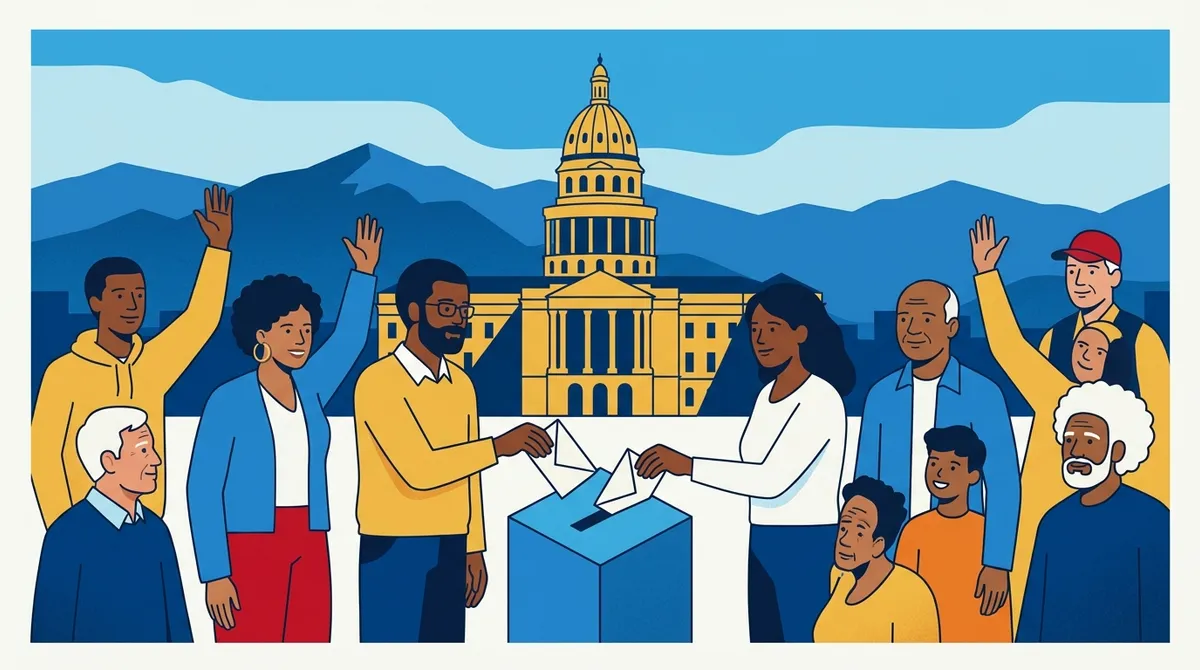
Ranked Choice Voting & Electoral Reform
Replace Denver's costly, low-turnout runoff elections with ranked choice voting so every voter can support their true first choice without wasting their vote. End the spoiler effect. Elect leaders who have broad support.
- Drafted
- Organizing
- Introduced
- Committee
- Enacted
The Problem
Denver’s city elections are broken in a specific, fixable way. Here is how they currently work:
In a competitive race with three or more candidates, if no one gets more than 50% of the vote in May, the top two candidates advance to a runoff election in July. That runoff is expensive, poorly attended, and often produces a winner who a majority of voters in the May election voted against.
This is not a bug in the system. This is the system. And it has predictable effects:
- Money dominates runoffs. A well-funded campaign can afford the advertising saturation needed to drive turnout in a low-information, off-cycle runoff. Grassroots campaigns with strong community support but smaller budgets often cannot.
- The spoiler effect suppresses genuine preferences. Voters who prefer a candidate they believe cannot win often vote strategically for their “lesser evil” instead. This distorts election results and discourages candidates from running.
- Turnout collapse gives organized minorities outsized power. When overall turnout drops from 40% to 15%, whoever mobilizes their base most effectively wins - regardless of where the broader electorate’s preferences lie.
Colorado passed HB24-1190 in 2024, authorizing municipalities to adopt ranked choice voting for their elections. Denver has the legal authority to act. It has chosen not to.
What Denver’s Current System Produces
The 2023 Denver mayoral election is a case study. Seventeen candidates appeared on the May ballot. No one crossed 50%. The top two - Mike Johnston and Kelly Brough - advanced to a June runoff. Both were centrist, pro-business candidates who had raised significant campaign funds. Progressive candidates who collectively received more first-choice votes than either runoff finalist were eliminated. The runoff cost the city approximately $2M (Denver Elections Division) and produced lower turnout than the primary.
The question is not whether voters preferred Johnston or Brough. The question is whether a runoff system that eliminates candidates with broad but distributed support - and forces a binary choice between the two best-funded survivors - accurately reflects democratic will. It does not.
Our Solution
1. Adopt Ranked Choice Voting for All Denver City Elections
Amend the Denver City Charter to replace the current primary-plus-runoff system with ranked choice voting (RCV) for all Denver City Council and mayoral elections.
Under RCV:
- Voters rank candidates in order of preference: 1st choice, 2nd choice, 3rd choice, and so on.
- If no candidate receives a majority of first-choice votes, the last-place candidate is eliminated. Voters who ranked that candidate first have their votes transferred to their second choice.
- This process repeats - round by round - until one candidate holds a majority of the remaining active votes.
The result: The winner has the broadest support among the electorate, not just the most effective base mobilization. Voters can vote their genuine first choice without worrying about wasting their vote on a candidate who might be eliminated. Third-party and independent candidates can compete without acting as spoilers.
What disappears: The expensive, low-turnout July runoff. Instead, the RCV tabulation - which takes hours, not weeks - produces a majority winner from the initial election. The city saves $2M+ per election cycle. Voters participate once, in the high-turnout May election.
2. Implement Universal Voter Registration
Complement RCV with automatic voter registration: every Denver resident who interacts with a city agency (renews a driver’s license, applies for a city program, pays utilities) is automatically registered to vote, or their existing registration is updated, unless they opt out.
Denver currently operates an opt-in registration system. Roughly 30% of eligible Denver adults are not registered (Colorado Secretary of State, 2024). Universal registration would add an estimated 80,000-120,000 Denver voters to the rolls.
3. Expand Early Voting and Vote Centers
Denver has made progress on mail ballots - Colorado’s all-mail ballot system is one of the best in the country - but in-person early voting options remain limited. Expand:
- Vote center hours: 10-day early voting period for all city elections, with centers open evenings and weekends.
- Vote center locations: At least one vote center per City Council district, plus additional centers at high-traffic community locations (libraries, community centers, transit hubs).
- Same-day registration at all vote centers.
4. Nonpartisan, Independent Redistricting
Denver’s City Council districts are drawn by the City Council itself - an obvious conflict of interest. Adopt an independent redistricting commission model:
- 11 members: 4 appointed by Democrats, 4 by Republicans, 3 selected by the first 8.
- Criteria: population equality, Voting Rights Act compliance, geographic compactness, and - explicitly last - incumbent or party advantage.
- Open hearings in each district before maps are adopted.
- No current officeholders, lobbyists, or political consultants eligible to serve.
5. Publicly Financed Small-Dollar Matching
Create a small-dollar matching program for Denver city elections:
- For each dollar donated by a Denver resident (up to $50 per donor), the public matching fund contributes $6.
- This amplifies the voice of small donors - the constituents candidates actually represent - relative to large institutional donors.
- Participation is voluntary but candidates who accept public matching funds agree to lower overall contribution limits and spending caps.
This is modeled on New York City’s 6:1 matching program, which produced a dramatic increase in small-donor fundraising and the number of first-time candidates from working-class backgrounds.
Evidence
RCV Outcomes in Practice
| Jurisdiction | Adoption | Key Outcome |
|---|---|---|
| Alaska (statewide, 2022) | Statewide RCV for federal and state offices | Democrat Mary Peltola won the 2022 congressional special election over two Republican candidates - demonstrating the system elects the candidate with broadest support, regardless of party |
| New York City (2021) | Citywide RCV for primaries | 70% of voters reported it was easy to use; more diverse slate of candidates ran; the Democratic mayoral primary resolved without a runoff |
| Minneapolis (2009-present) | RCV for all city elections | Eliminated costly runoffs; increased candidate diversity; consistently high voter satisfaction in post-election surveys |
| Maine (2016-present) | RCV for federal elections | Upheld by courts; voters strongly supported it in retention vote; produced clear majority winners in close multi-candidate races |
| San Francisco (2004-present) | RCV for city offices | Saved the city an estimated $10-15M in runoff costs over 15 years; produced more diverse winning candidates |
Research on RCV Effects
- Voter satisfaction: Post-election surveys consistently show 70-80% of RCV voters find it easy to use, including older voters and voters with less formal education (FairVote, 2024).
- Candidate civility: Candidates in RCV elections attack each other less, because they want to be second-choice picks of their opponents’ supporters. RCV structurally incentivizes coalition-building over wedge politics (Donovan et al., 2016).
- Representation: Cities using RCV elect more women and candidates of color than comparable cities using traditional runoff systems (Coll et al., 2022).
- Turnout: The elimination of low-turnout runoffs effectively increases participation in the decisive round of voting for millions of voters (FairVote, 2025).
Local Context
Denver’s demographics have shifted dramatically in the past 20 years. The city is younger, more diverse, more renter-heavy, and more progressive than the homeowner base that has traditionally dominated local elections. Yet Denver’s elected leadership - in the Mayor’s office and on City Council - has consistently reflected the preferences of the high-information, high-wealth, homeowner minority that turns out reliably in May primaries and especially in July runoffs.
This is not a conspiracy. It is a predictable structural outcome of the current voting system. RCV does not guarantee progressive outcomes - it guarantees that whoever wins has the broadest support among people who vote. That is what democracy is supposed to do.
The communities with the most to gain from electoral reform are the ones currently least well-represented: renters, young people, immigrants and first-generation Americans who are navigating a complex electoral system, and working-class residents whose jobs make it hard to vote during traditional polling hours.
Frequently Asked Questions
“Is RCV too complicated for voters?” No. Exit polls from every city that has adopted RCV show that over 70% of voters find it straightforward. The ballot asks you to number your choices: 1, 2, 3. If you want to vote for only one candidate, you can. The complexity of the current system - tracking which candidates are in a primary, then whether there’s a runoff, then voting twice - is far greater than simply ranking your preferences once.
“What if my first choice loses? Is my vote wasted?” That is exactly what RCV prevents. If your first choice is eliminated, your vote transfers to your second choice. Your vote keeps counting until either your candidate wins or you’ve exhausted all your preferences. Under the current runoff system, if your preferred candidate doesn’t make the top two, your vote for them produces no outcome in the final decision. Under RCV, your preferences are fully expressed.
“Won’t this benefit one party over another?” RCV is not partisan. It has produced Republican, Democratic, and independent winners in jurisdictions across the country. What it benefits is candidates with broad support and hurts candidates who win with narrow, mobilized bases. Whether that is good or bad for any particular party depends on that party’s relationship with the electorate - which is exactly how democracy should work.
“What about write-in candidates and very long ballots?” Most RCV implementations allow voters to rank up to 5-10 candidates; you don’t need to rank every candidate on the ballot. Denver’s implementation would rank as many candidates as appear on the ballot, up to a reasonable maximum. Tabulation is conducted by the existing election equipment, which can handle RCV counts.
How We Pay For It
RCV is a cost-saving measure, not a cost:
| Item | Annual Impact |
|---|---|
| Eliminate July runoff elections | Save ~$2M per election cycle |
| Small-dollar matching fund | ~$3-5M per election cycle (new spending) |
| Independent redistricting commission | ~$500K per redistricting cycle (every 10 years) |
| Net over a 4-year council term | Approximately cost-neutral to slight savings |
The small-dollar matching fund requires new spending, but it is offset by runoff savings and produces substantial democratic value: more candidates, more small donors, and elected officials less dependent on large institutional donors.
The matching fund can be capitalized through a transfer from the city’s general fund or through a dedicated millage on political advertising revenue - a mechanism used by other cities.
References
- Coll, J. et al. Ranked Choice Voting and Representation. MIT Election Data and Science Lab, 2022.
- Colorado General Assembly. HB24-1190, Ranked Choice Voting - Municipal Elections Authorization. 2024.
- Denver Elections Division. Historical Turnout and Cost Data. 2023.
- Donovan, T. et al. Campaign Civility Under Preferential and Plurality Voting. Electoral Studies, 2016.
- FairVote. Ranked Choice Voting in Practice. 2025.
- FairVote. Voter Satisfaction Evidence. 2024.
- New York City Campaign Finance Board. Small-Dollar Matching Program Impact Report. 2022.
- Colorado Secretary of State. Voter Registration Statistics. 2024.
El Problema
Las elecciones municipales de Denver están rotas de una manera específica y solucionable. Actualmente, si nadie obtiene más del 50% de los votos en mayo, los dos primeros candidatos avanzan a una segunda vuelta en julio. Esa segunda vuelta es costosa, tiene poca asistencia y a menudo produce un ganador que la mayoría de los votantes de la elección de mayo votó en contra.
- El dinero domina las segundas vueltas. Una campaña bien financiada puede permitirse la saturación publicitaria necesaria para impulsar la participación en una segunda vuelta de bajo ciclo.
- El efecto “spoiler” suprime las preferencias genuinas. Los votantes que prefieren a un candidato que creen que no puede ganar a menudo votan estratégicamente por su “menor mal”.
- El colapso de la participación da un poder desproporcionado a minorías organizadas.
Colorado aprobó la HB24-1190 en 2024, autorizando a los municipios a adoptar la votación por orden de preferencia. Denver tiene la autoridad legal para actuar. Ha optado por no hacerlo.
Nuestra Solución
1. Adoptar la Votación por Orden de Preferencia para Todas las Elecciones Municipales de Denver
Modificar la Carta Municipal de Denver para reemplazar el sistema actual de primarias más segunda vuelta con la votación por orden de preferencia (VOP) para todas las elecciones del Concejo Municipal y del Alcalde de Denver.
Con la VOP:
- Los votantes clasifican a los candidatos en orden de preferencia.
- Si ningún candidato recibe una mayoría de votos de primera preferencia, se elimina al candidato en último lugar y sus votos se transfieren a la segunda preferencia de esos votantes.
- Este proceso se repite hasta que un candidato tenga la mayoría de los votos activos restantes.
El resultado: El ganador tiene el apoyo más amplio entre el electorado. Los votantes pueden votar por su primera opción genuina sin preocuparse por desperdiciar su voto.
Lo que desaparece: La costosa segunda vuelta de julio de baja participación.
2. Implementar el Registro Universal de Votantes
Registro automático de votantes para todo residente de Denver que interactúe con una agencia de la ciudad.
3. Ampliar la Votación Anticipada y los Centros de Votación
- Período de votación anticipada de 10 días para todas las elecciones municipales.
- Al menos un centro de votación por distrito del Concejo Municipal.
- Registro el mismo día en todos los centros de votación.
4. Redistribución No Partidista e Independiente
Adoptar un modelo de comisión de redistribución independiente con 11 miembros y criterios de igualdad poblacional, cumplimiento de la Ley de Derechos de Voto y compacidad geográfica.
5. Financiación Pública con Correspondencia de Pequeñas Donaciones
Crear un programa de correspondencia de pequeñas donaciones para las elecciones municipales de Denver:
- Por cada dólar donado por un residente de Denver (hasta $50 por donante), el fondo de correspondencia pública contribuye $6.
- Modelado en el programa 6:1 de la Ciudad de Nueva York.
Evidencia
| Jurisdicción | Adopción | Resultado Clave |
|---|---|---|
| Alaska (en todo el estado, 2022) | VOP estatal para cargos federales y estatales | Demostró que el sistema elige al candidato con apoyo más amplio |
| Nueva York (2021) | VOP en toda la ciudad para primarias | El 70% de los votantes informó que era fácil de usar |
| Minneapolis (2009-presente) | VOP para todas las elecciones municipales | Eliminó costosas segundas vueltas; mayor diversidad de candidatos |
| Maine (2016-presente) | VOP para elecciones federales | Apoyado fuertemente por los votantes; produjo ganadores con mayoría clara |
Contexto Local
Los datos demográficos de Denver han cambiado dramáticamente en los últimos 20 años. La ciudad es más joven, más diversa, con más inquilinos y más progresista que la base de propietarios que ha dominado tradicionalmente las elecciones locales. Sin embargo, el liderazgo electo de Denver ha reflejado consistentemente las preferencias de la minoría de altos ingresos que participa en las primarias de mayo y especialmente en las segundas vueltas de julio.
Las comunidades con más que ganar de la reforma electoral son las actualmente menos representadas: inquilinos, jóvenes, inmigrantes y residentes de la clase trabajadora cuyos trabajos dificultan votar durante el horario electoral tradicional.
Preguntas Frecuentes
“¿Es la VOP demasiado complicada para los votantes?” No. Las encuestas de salida de cada ciudad que ha adoptado la VOP muestran que más del 70% de los votantes la encuentra sencilla. La papeleta te pide que numeres tus opciones: 1, 2, 3.
“¿Y si mi primera opción pierde? ¿Se desperdicia mi voto?” Eso es exactamente lo que la VOP evita. Si tu primera opción es eliminada, tu voto se transfiere a tu segunda opción. Tu voto sigue contando hasta que tu candidato gane o hayas agotado todas tus preferencias.
Cómo Lo Financiamos
| Elemento | Impacto Anual |
|---|---|
| Eliminar las segundas vueltas de julio | Ahorrar ~$2M por ciclo electoral |
| Fondo de correspondencia de pequeñas donaciones | ~$3-5M por ciclo electoral (nuevo gasto) |
| Comisión de redistribución independiente | ~$500K por ciclo de redistribución |
Referencias
- Coll, J. et al. Ranked Choice Voting and Representation. MIT Election Data and Science Lab, 2022.
- Asamblea General de Colorado. HB24-1190, Ranked Choice Voting - Municipal Elections Authorization. 2024.
- División de Elecciones de Denver. Datos históricos de participación y costos. 2023.
- FairVote. Ranked Choice Voting in Practice. 2025.
- Consejo de Financiamiento de Campañas de la Ciudad de Nueva York. Small-Dollar Matching Program Impact Report. 2022.