
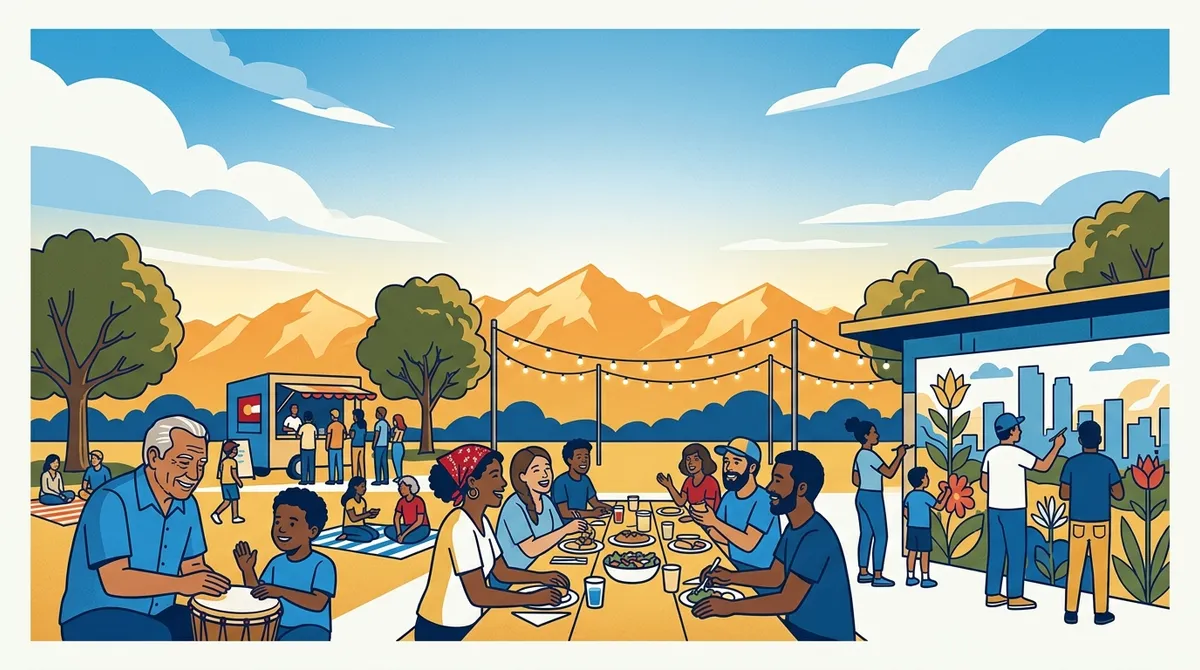
Arts, Culture & Creative Economy
Protect artists from displacement. Percent-for-art on new development. Affordable studio and performance space. Cultural district designations. Invest in Denver's creative economy as economic engine.
- Drafted
- Organizing
- Introduced
- Committee
- Enacted
ችግሩ
የዴንቨር የስነ ጥበብ እና የባህል ዘርፍ በዓመት $3.12 ቢሊዮን ዶላር የኢኮኖሚ እንቅስቃሴን ያመነጫል፣ 14,466 ስራዎችን ይደግፋል፣ እንዲሁም ከዴንቨር የፕሮፌሽናል ስፖርት ቡድኖች በሶስት እጥፍ የሚበልጥ ተመልካች ይስባል (CBCA Economic Activity Study, 2024)። ይሁን እንጂ የዴንቨርን የባህል ማንነት የገነቡ አርቲስቶች በፈጠራቸው ምክንያት በተፈጠረው እድገት በስርዓት እየተፈናቀሉ ነው። በ2020 የተደረገ ጥናት ዴንቨር በዩናይትድ ስቴትስ ውስጥ በሁለተኛ ደረጃ ላይ የምትገኝ በጣም የተንሰራፋች ከተማ መሆኗን አመልክቷል፣ እና በብዛት የተጎዱት ሰፈሮች (RiNo፣ Santa Fe Arts District፣ Five Points) ለአስርተ ዓመታት የዴንቨርን የስነ ጥበብ ትዕይንት የገለጹት ናቸው።
በሪኖ (RiNo) ውስጥ አርቲስቶች የሰፈሩን ስም ፈጥረው የሪኖ አርት ዲስትሪክትን (RiNo Art District) በ2005 መሰረቱ፣ የተረሱ መጋዘኖችን ወደ ስቱዲዮዎች፣ ጋለሪዎች እና የትወና ቦታዎች በመቀየር ለውጠዋል። ለዚያ ስራ የተከፈለው ሽልማት የንብረት ዋጋ መጨመር፣ የቤት ኪራይ በከፍተኛ ደረጃ መጨመር እና መፈናቀል ነበር። በብራይተን ቡሌቫርድ (Brighton Boulevard) ላይ የሚገኘው ራይኖሴሮፖሊስ (Rhinoceropolis) የተባለ ተወዳጅ የ DIY ሙዚቃ እና የጥበብ ስብስብ በታህሳስ 2016 በእሳት አደጋ መርማሪዎች ተዘግቶ አስራ አንድ አርቲስቶችን አፈናቅሏል። ሄሊኮን ጋለሪ እና ስቱዲዮዎች (Helikon Gallery & Studios) ተፈናቅለዋል። በሳንታ ፌ ድራይቭ (Santa Fe Drive) ላይ የሚገኘው የቺካኖ ሂውማኒቲስ ኤንድ አርትስ ካውንስል (Chicano Humanities & Arts Council) ለረጅም ጊዜ የኖረበትን ቤት ለቆ ወጥቷል። በደቡብ ብሮድዌይ (South Broadway) ላይ የዴንቨር የቀጥታ ሙዚቃ ማህበረሰብ የ14 ዓመታት ማዕከል የነበረው 3 ኪንግስ ታቨርን (3 Kings Tavern) በ2020 በቋሚነት ተዘግቷል። ንድፉ ተደጋጋሚ ነው፡ አርቲስቶች የባህል እሴት ይፈጥራሉ፣ ገንቢዎች ይረከቡታል፣ እና አርቲስቶቹ ወደ ግሎብቪል (Globeville)፣ ወደ ዳርቻ ከተሞች ወይም ከኮሎራዶ ሙሉ በሙሉ ይባረራሉ።
ይህ በእንዲህ እንዳለ ኮሎራዶ በነፍስ ወከፍ የሥነ ጥበብ ፈንድ ከአምሳ ግዛቶች በ39ኛ ደረጃ ላይ ትገኛለች፣ ምንም እንኳን ከአጠቃላይ የሀገር ውስጥ ምርት (GDP) አንፃር በአራተኛ ደረጃ ላይ ትልቅ የባህል ዘርፍ ቢኖራትም (Colorado Creative Industries, 2024)። ዴንቨር በብሔራዊ የስነ ጥበብ ንዝረት መረጃ ጠቋሚ (Arts Vibrancy Index) 18ኛ ደረጃ ላይ የተቀመጠች ሲሆን እንደ ናሽቪል (7ኛ)፣ ኦስቲን (10ኛ)፣ ሲያትል (13ኛ) እና ፖርትላንድ (17ኛ) ከመሳሰሉት እኩዮቿ ጀርባ ነች (SMU DataArts, 2024)። በዴንቨር የሚከፈለው የንግድ ስቱዲዮ ኪራይ በአማካይ በካሬ ጫማ ከ$29 እስከ $39 ዶላር የሚደርስ ሲሆን ይህም ለአብዛኞቹ ነጻ አርቲስቶች የስራ ቦታን የማይቻል ያደርገዋል። ከተማዋ ጠንካራ የባህል ተቋማት እና ከፍተኛ ፍቅር ያለው የፈጠራ ማህበረሰብ አላት። የጎደለው ነገር ይህንን ማህበረሰብ ከሚያጠፉት የገበያ ኃይሎች የሚከላከል የፖሊሲ ማዕቀፍ ነው።
ዴንቨር በአሁኑ ጊዜ ምን እየሰራች ነው
ዴንቨር አርትስ ኤንድ ቬኑውስ (Denver Arts & Venues (DAV)) የቀይ ሮክስ አምፊቲያትር (Red Rocks Amphitheatre)፣ የዴንቨር የትወና ጥበባት ኮምፕሌክስ (Denver Performing Arts Complex) እና የዴንቨር ኮሊሲየምን (Denver Coliseum) ጨምሮ ለባህላዊ ፕሮግራሞች እና ዋና ዋና ቦታዎች ኃላፊነት ያለው የከተማው ኤጀንሲ ነው። የ DAV የ2024 በጀት $67.6 ሚሊዮን ዶላር ነበር፣ ነገር ግን ይህ በአብዛኛው የሚሸፈነው ከጠቅላላ ፈንድ ሳይሆን ከቦታው በሚገኝ ገቢ ነው (Denver Mayor’s Budget, 2024)። DAV በ2024 ዴንቨር ክሬትስ (Denver Creates) የተሰኘውን የባህል እቅድ ይፋ አደረገች፣ ይህም ከ2,500+ በላይ የህብረተሰብ ክፍሎች ድምጽ ላይ የተገነባ የአስር አመት የትኩረት አቅጣጫ ሲሆን ለሥነ ጥበብ መስፋፋት፣ የወጣቶች ተሳትፎ እና የከተማ የስነ ጥበብ የገበያ ቦታ ላይ ያተኮረ ነው። ከ2025-2026 ባለው ጊዜ ውስጥ DAV በዴንቨር ክሬትስ ፈንድ (Denver Creates Fund) አማካኝነት ለ62 ድርጅቶች $633,270 ዶላር ድጋፍ አድርጓል።
ሳይንሳዊ እና ባህላዊ ተቋማት ዲስትሪክት (Scientific and Cultural Facilities District (SCFD)) በዴንቨር አካባቢ ባሉ ሰባት አውራጃዎች ላይ 0.1% የክልል የሽያጭ ታክስ ሲሆን በ1988 በህዝብ ድምጽ የተፈጠረ እና ሶስት ጊዜ የታደሰ ነው (ቀጣዩ እድሳት፡ 2028)። SCFD በ2024 ከ300 በላይ ለሚሆኑ ለትርፍ ያልተቋቋሙ የባህል ድርጅቶች $85 ሚሊዮን ዶላር አከፋፍሏል። ይሁን እንጂ የገንዘብ ድጋፉ በከፍተኛ ደረጃ ያተኮረው በትልልቅ ተቋማት ላይ ነው፡ የአንደኛ ደረጃ ድርጅቶች (ዴንቨር መካነ እንስሳት፣ ዴንቨር የስነ ጥበብ ሙዚየም፣ ዴንቨር የተፈጥሮ እና የሳይንስ ሙዚየም፣ ዴንቨር የእጽዋት አትክልት ስፍራ፣ ዴንቨር የትወና ጥበባት ማዕከል) 65.5% ገቢ ወይም በግምት $50.3 ሚሊዮን ዶላር ያገኛሉ። ከ280+ በላይ ትናንሽ የአካባቢ ድርጅቶችን (የማህበረሰብ ቲያትሮች፣ የስነ ጥበብ ማዕከላት፣ የባህል ቡድኖች) የሚያካትተው ሶስተኛው ደረጃ 13.5% ብቻ ነው የሚያገኘው።
የዴንቨር የህዝብ ጥበብ ፕሮግራም (Denver’s Public Art Program) በ1988 በአስፈጻሚ ትዕዛዝ የተቋቋመ ሲሆን በ1991 በአዋጅ (DRMC 20-85) የፀደቀ ሲሆን ከ$1 ሚሊዮን ዶላር በላይ የሆነ ማንኛውም የከተማ ካፒታል ማሻሻያ ፕሮጀክት 1% ለህዝብ ጥበብ ይመድባል። ፕሮግራሙ ከ$40 ሚሊዮን ዶላር በላይ ገቢ ያስገኛል እንዲሁም ከ400 በላይ ስራዎችን የጫነ ሲሆን 55% የሚሆኑት በኮሎራዶ አርቲስቶች የተፈጠሩ ናቸው (Denver Public Art, 2023)። ይሁን እንጂ ይህ የሚመለከተው ለከተማ ካፒታል ፕሮጀክቶች ብቻ ነው እንጂ ለግል ልማት አይደለም።
ፒ.ኤስ. ዩ አር ሄር (P.S. You Are Here (PSYAH)) በ2014 የተጀመረ የ DAV የገንዘብ ድጋፍ ፕሮግራም ሲሆን በሰፈር ላይ የተመሰረቱ፣ በህብረተሰብ የሚመሩ የህዝብ ጥበብ ፕሮጀክቶችን ከቤት ውጭ ባሉ ቦታዎች ላይ ይደግፋል። ከተጀመረበት ጊዜ ጀምሮ ከ$600,000 ዶላር በላይ 71 ፕሮጀክቶችን ለመደገፍ አቅርቧል፣ በቅርብ ጊዜ ዑደቶች በዓመት በግምት $67,500 ዶላር ይሰጣል። ዴንቨር መደበኛ የባህል ዲስትሪክት ዞኒንግ ስያሜዎች የላትም እንዲሁም ነባር የሙዚቃ ዝግጅቶችን በአዲስ የመኖሪያ ልማት ምክንያት ከሚመጡ የድምጽ ቅሬታዎች የሚከላከል የአጀንት ኦፍ ቼንጅ ፖሊሲ (Agent of Change policy) የላትም።
የእኛ መፍትሔ
1. የአርቲስት መፈናቀልን መከላከል
- አርቲስቶች ከአካባቢው አማካይ ገቢ 30% የማይበልጥ ኪራይ በሚከፍሉበት የከተማ ባለቤትነት ወይም በከተማው ድጎማ በሚደረግባቸው ህንፃዎች ውስጥ ተመጣጣኝ ዋጋ ያላቸውን የአርቲስቶች መኖሪያ/የስራ ቦታዎችን ማልማት። የፈጠራ ባለሙያዎች እንደሌሎች ነዋሪዎች ተመሳሳይ ጥበቃ እንዲያገኙ የአርቲስቶችን መኖሪያ ቤት ከከተማው ማህበራዊ መኖሪያ ቤት ፕሮግራም ጋር ማዋሃድ።
- ነባር የአርቲስት ስቱዲዮዎችን እና የቀጥታ የሙዚቃ ዝግጅት ቦታዎችን የሚከላከሉ የዞን ክፍፍል ጥበቃዎችን ተግባራዊ ማድረግ። የአጀንት ኦፍ ቼንጅ ፖሊሲን (Agent of Change policy) መተግበር፡ አዲስ የመኖሪያ ልማት ከነባር የሙዚቃ ዝግጅት ቦታ ወይም የትወና ቦታ አጠገብ በሚገነባበት ጊዜ የድምፅ መከላከያን እና የድምፅን ተጽእኖ የመቀነስ ኃላፊነት የቦታው ሳይሆን ገንቢው ነው።
- ስቱዲዮዎችን፣ ጋለሪዎችን ወይም የትወና ቦታዎችን የያዙ ሕንፃዎች በሚሸጡበት ወይም ወደ ሌላ አገልግሎት በሚቀየሩበት ጊዜ የአርቲስት ተከራዮች የመጀመርያ ግዢ መብት እንዲኖራቸው ማድረግ።
- በቤት ኪራይ ጭማሪ ወይም በህንፃ ለውጥ ምክንያት ለተፈናቀሉ አርቲስቶች እና አነስተኛ የባህል ድርጅቶች የድንገተኛ ጊዜ እርዳታ የሚሰጥ የአርቲስት ማቋቋሚያ ፈንድ መፍጠር።
- አርቲስቶች እና የባህል ባለሙያዎች በቀጥታ ተጠቃሚ የሚሆኑት ከእኛ የኪራይ ማረጋጊያ እና ማህበራዊ መኖሪያ ቤት ፕሮፖዛል ነው። በዴንቨር ደረጃ መፈናቀል በምትታይባት ከተማ የኪነ ጥበብ ፖሊሲ እና የመኖሪያ ቤት ፖሊሲ የማይነጣጠሉ ናቸው።
2. የተስፋፋ መቶኛ ለሥነ ጥበብ
- የዴንቨርን መቶኛ ለሥነ ጥበብ መስፈርት ወደ ግል ልማት ማስፋፋት፡ ከ$1 ሚሊዮን ዶላር በላይ በሆኑ ሁሉም የግል ልማት ፕሮጀክቶች ውስጥ 1.5% ለሕዝብ ጥበብ ይመደባል። የዴንቨር የአሁኑ 1% ድንጋጌ የሚመለከተው ለከተማ ካፒታል ፕሮጀክቶች ብቻ ነው። ወደ ግል ልማት ማስፋፋት ዴንቨርን እንደ ሳንዲያጎ፣ ሲያትል እና ፖርትላንድ ከመሳሰሉት ከተሞች ጋር የሚያስተሳስር ሲሆን ገንቢዎች ለሕዝብ ጥበብ አስተዋጽኦ እንዲያደርጉ ይጠይቃል።
- በሕዝብ ጥበብ ምርጫ ላይ የሕብረተሰቡን አስተያየት የሚያካትቱ የአካባቢ አማካሪ ኮሚቴዎችን ማቋቋም ጥበቡ በተጫነበት አካባቢ ያለውን ባህልና ታሪክ የሚያንፀባርቅ መሆኑን ማረጋገጥ።
- ነባሩን ፕሮግራም 55% የአካባቢ አርቲስት መዝገብን በመገንባት እና ኢላማውን ወደ 70% በማሳደግ ለአካባቢው ዴንቨር እና ኮሎራዶ አርቲስቶች ኮሚሽኖችን ቅድሚያ መስጠት።
- የብቁ ጥበብ ትርጉምን ከቅርጻ ቅርጾች እና ቋሚ ምስላዊ ስራዎች ባለፈ ወደ ትወና ጥበባት፣ ግድግዳዎች ላይ የሚሳሉ ስዕሎች፣ የሙዚቃ ጭነቶች እና ዲጂታል ጥበብ ማስፋፋት።
- የከተማዋ ከ400 በላይ የጥበብ ስራዎች ስብስቦች ተጠብቀው እንዲገኙ እና በቀላሉ ተደራሽ እንዲሆኑ ነባር የሕዝብ ጥበብን ለመጠገን የሚያስችል ልዩ ፈንድ መፍጠር።
3. ተመጣጣኝ የፈጠራ ቦታዎች
- ጥቅም ላይ ያልዋሉ የከተማ ባለቤትነት ሕንፃዎችን ከገበያ በታች ወደ ስቱዲዮዎች፣ የልምምድ ቦታዎች፣ ጋለሪዎች እና አምራች ቦታዎች መለወጥ። የዴንቨር የቢሮ ክፍት ቦታ መጠን ከ29% ይበልጣል (CommercialCafe, 2024)። የቦታ እጥረት የለም፣ ቦታውን እንደገና ለመጠቀም የፖለቲካ ፍላጎት ማነስ እንጂ።
- ከ50,000 ካሬ ጫማ በላይ በሆኑ አዳዲስ ድብልቅ-አጠቃቀም ልማቶች ውስጥ የፈጠራ ቦታ መመደብን ይጠይቁ፡ ከንግድ ቦታው ቢያንስ 5% የሚሆነው ለዝቅተኛ የገበያ ፈጠራ አገልግሎት እንዲውል መወሰን።
- እንደ ሬድላይን ኮንቴምፖራሪ አርት ሴንተር (RedLine Contemporary Art Center) እና የማህበረሰብ መሬት እምነት (community land trusts) ከመሳሰሉት ለትርፍ ያልተቋቋሙ ድርጅቶች ጋር በመተባበር የጋራ የፈጠራ ቦታዎችን በረጅም ጊዜ ተመጣጣኝነት ቃል ኪዳኖች ማስተዳደር።
- የጋራ መሣሪያዎችን ተደራሽነትን መደገፍ፡ የድምፅ መቅጃ ስቱዲዮዎች፣ የህትመት ማተሚያዎች፣ የዲጂታል ማምረቻ ላቦራቶሪዎች፣ የሴራሚክ ምድጃዎች እና የጨለማ ክፍሎች ለዴንቨር አርቲስቶች በድጎማ ዋጋ እንዲገኙ ማድረግ።
- ስኬታማ ሞዴሎችን ማጥናት እና ማስተካከል፡ የሎስ አንጀለስ አርትስ ዲስትሪክት BID የፈጠራ ቦታ መስፈርቶች፣ የኒው ዮርክ ከተማ የአርቲስት ማረጋገጫ ፕሮግራም ለመኖሪያ/ለስራ ሎፍቶች እና የኮሎራዶ ስፕሪንግስ አርትስፔስ (Artspace) ተመጣጣኝ የቤቶች ፕሮጀክት ለፈጠራ ባለሙያዎች።
4. የባህል ዲስትሪክት ጥበቃዎች
- ለሳንታ ፌ አርትስ ዲስትሪክት፣ ሪኖ (RiNo)፣ ፋይቭ ፖይንትስ/ዌልተን ኮሪደር (Five Points/Welton Corridor) እና ግሎብቪል-ኤሊሪያ-ስዋንሲ (Globeville-Elyria-Swansea) መደበኛ የባህል ዲስትሪክት ስያሜዎችን (cultural district designations) ማቋቋም። የኮሎራዶ የፈጠራ ኢንዱስትሪዎች ከ2012 ጀምሮ በክልል ደረጃ 30 የፈጠራ ዲስትሪክቶችን አረጋግጠዋል፤ የዴንቨር በጣም ባህላዊ ጠቀሜታ ያላቸው ሰፈሮች ከመንግስት ማረጋገጫ ባለፈ ግልጽ የከተማ ደረጃ ጥበቃ ይገባቸዋል።
- በባህላዊ ዲስትሪክቶች ውስጥ ልዩ የዞን ክፍፍልን መተግበር፡ የመዝናኛ እና የባህል አጠቃቀሞች እንደ ሁኔታዊ አጠቃቀም ሳይሆን እንደ መብት የተጠበቁ መሆን አለባቸው። የተቋቋሙ ቦታዎች የመኖሪያ ልማት ከመጀመሩ በፊት ላደረጉት እንቅስቃሴ እንዳይቀጡ የድምጽ ቅሬታ ሂደቶች መስተካከል አለባቸው።
- በባህላዊ ዲስትሪክቶች ውስጥ ንብረትነታቸውን ለባህላዊ ንግዶች (ጋለሪዎች፣ ስቱዲዮዎች፣ የሙዚቃ ዝግጅት ቦታዎች፣ ቲያትሮች፣ የመጻሕፍት መደብሮች) ከገበያ በታች በሆነ ዋጋ የሚያከራዩ የንብረት ባለቤቶች የንብረት ታክስ ማበረታቻዎችን መስጠት።
- በተሰየመ ባህላዊ ዲስትሪክት ውስጥ ለማንኛውም ትልቅ የልማት ፕሮጀክት የባህላዊ ተጽዕኖ ግምገማዎችን (cultural impact assessments) ይጠይቁ፣ ፕሮጀክቱ ከመጽደቁ በፊት ነባር አርቲስቶች፣ የባህል ድርጅቶች እና የማህበረሰብ ባህሪ ላይ የሚያሳድረውን ተጽዕኖ መገምገም።
- የአጀንት ኦፍ ቼንጅ ፖሊሲን (Agent of Change policy) ማጽደቅ፡ አዲስ የመኖሪያ ልማት ከነባር የሙዚቃ ዝግጅት ቦታ፣ ቲያትር ወይም የትወና ቦታ በ200 ሜትር ርቀት ውስጥ ከሆነ የተወሰኑ የአኮስቲክ ደረጃዎችን የሚያሟላ የድምፅ መከላከያን ማካተት አለበት። ክፍያውን የሚከፍለው የዝግጅት ቦታው ሳይሆን ገንቢው ነው።
5. የፈጠራ ኢኮኖሚ ኢንቨስትመንት
- ከ SCFD ስርዓት በተለየ ለወጣት አርቲስቶች እና ለአነስተኛ የባህል ድርጅቶች የከተማ የገንዘብ ድጋፍ ፕሮግራም ማቋቋም። የ SCFD ሶስተኛው ደረጃ ከ$85 ሚሊዮን ዶላር ውስጥ 13.5% ብቻ ለአነስተኛ የአካባቢ ቡድኖች ይሰጣል። ዴንቨር የ SCFD ብቁነት መስፈርትን የማያሟሉ ነጻ አርቲስቶችን፣ የ DIY ቦታዎችን እና የአካባቢ የባህል ድርጅቶችን ያነጣጠረ ተጨማሪ ፕሮግራም ያስፈልጋታል።
- የፈጠራ ኢንዱስትሪ የሰው ኃይል ልማትን መደገፍ፡ በቴክኒካል ቲያትር፣ በድምፅ ምህንድስና፣ በኪነ ጥበብ አስተዳደር እና በዲጂታል ሚዲያ ፕሮዳክሽን ላይ የሙያ ስልጠና መስጠት። ከማህበረሰብ ኮሌጆች እና የንግድ ፕሮግራሞች ጋር መተባበር።
- በዓመት $692 ሚሊዮን ዶላር ገቢ የሚያስገኘውን የዴንቨር የባህል ቱሪዝም የግብይት ድጋፍ ላይ ኢንቨስት ማድረግ (CBCA, 2024)። የዴንቨርን የሥነ ጥበብ ትዕይንት ለማስተዋወቅ የሚወጣው እያንዳንዱ ዶላር የሚለካ የኢኮኖሚ ተመላሽ አለው።
- የባህል ዝግጅቶችን፣ የመንገድ ላይ ትርኢቶችን፣ ድንገተኛ የጋለሪዎችን እና የውጪ ፌስቲቫሎችን የከተማ ፈቃዶችን ማቀላጠፍ እና ወጪን መቀነስ። ለትርፍ ያልተቋቋሙ ወይም የማህበረሰብ ቡድኖች የሚያዘጋጇቸውን አነስተኛ የባህል ዝግጅቶች የፈቃድ ክፍያዎችን ማስወገድ።
- የዘርፉን ለሥራ ስምሪት፣ ለግብር ገቢ፣ ለቱሪዝም እና ለሰፈር ህይወት ያለውን አስተዋፅኦ ለመለካት የፈጠራ ኢኮኖሚ መረጃ መከታተያ ፕሮግራም ማቋቋም፣ የፖሊሲ ውሳኔዎች በተጨባጭ መረጃ ላይ የተመሰረቱ መሆናቸውን ማረጋገጥ።
ዓለም አቀፍ ማስረጃ፡ ባህል ከተሞችን ያንቀሳቅሳል
| አገር/ከተማ | ሞዴል | ውጤት |
|---|---|---|
| በርሊን፣ ጀርመን | Atelierprogramm (የስቱዲዮ ፕሮግራም)፡ የከተማው መንግስት በ bbk Berlin Kulturwerk የሚተዳደሩ ለሙያዊ አርቲስቶች ቋሚ ኪራይ ያላቸውን ወደ 800 የሚጠጉ ድጎማ የተደረገላቸው ስቱዲዮዎችን ይደግፋል። ለማዘጋጃ ቤት ጋለሪዎች አነስተኛ የኤግዚቢሽን ክፍያዎች ተቋቁመዋል። | አርቲስቶች የግንጠላፊኬሽን ግፊት ቢኖርባቸውም በከተማው ውስጥ እንዲቆዩ ተደርገዋል። ፕሮግራሙ በተደጋጋሚ በበርሊን ሴኔት ተስፋፍቷል። “በአውሮፓ ልዩ” ተብሎ የሚገለጽ ለሙያዊ አርቲስቶች መሠረተ ልማት ፈጥሯል። |
| ኦስቲን፣ ቴክሳስ | የቀጥታ ሙዚቃ ፈንድ (Live Music Fund) (የተቋቋመው በ2019) በሆቴል የሥራ ግብር የሚደገፍ። የቀጥታ ሙዚቃ ቦታ ጥበቃ ፈንድ በኮቪድ ወቅት ለ28 ቦታዎች $5M ቀጥታ ዕርዳታ አቅርቧል። በአጀንት ኦፍ ቼንጅ መርሆች በልማት ሕግ ውስጥ ተካተዋል። | በዓመት ከ$7M+ በላይ ለቀጥታ ሙዚቃ ተመድቧል። የዝግጅት ቦታዎች ወረርሽኙን ተቋቁመዋል። ኦስቲን “የዓለም የቀጥታ ሙዚቃ ዋና ከተማ” የሚለውን ማንነቷን በአጋጣሚ ሳይሆን ሆን ተብሎ በተዘጋጀ ፖሊሲ አስጠብቃለች። |
| ባርሴሎና፣ ስፔን | የባህል መብቶች እንደ መሠረታዊ መብቶች ተደንግገዋል። ፋብራ አይ ኮአትስ (Fabra i Coats) የጥጥ ፋብሪካ ወደ ማዘጋጃ ቤት የፈጠራ ፋብሪካነት የተለወጠ ሲሆን 2,450 ስኩዌር ሜትር የኤግዚቢሽን ቦታ፣ የአርቲስት መኖሪያ ቤቶች እና ለወጣቶችና አርቲስቶች 46 የማኅበራዊ መኖሪያ ቤቶች አሉት። በመላ ከተማው “የፈጠራ ፋብሪካዎች” አውታረ መረብ ተፈጥሯል። | የቀድሞ የኢንዱስትሪ መሠረተ ልማት ወደ ባህላዊ የጋራ መሬትነት ተቀይሯል። አርቲስቶች እና ማህበረሰቦች በከተማ ፕላን ውስጥ ተካተዋል። ማህበራዊ መኖሪያ ቤት በአንድ ተቋም ውስጥ ከባህላዊ ምርት ጋር ተጣምሯል። |
| ሜደሊን፣ ኮሎምቢያ | Parque Biblioteca (የቤተ መፃህፍት ፓርክ) ስርዓት፡ በከተማው በጣም ዝቅተኛ አገልግሎት በሚያገኙ አካባቢዎች የአለም ደረጃ የባህል ማዕከላት ተገንብተዋል። ማህበረሰቡ ከአርክቴክቶች ጎን ለጎን ዲዛይን አድርጓል። ኮረብታማ አካባቢዎችን ከባህላዊ እና ኢኮኖሚያዊ ማዕከላት ጋር የሚያገናኘው ከሜትሮኬብል ትራንዚት ጋር የተዋሃደ ነው። | አምስት የመጀመሪያ የቤተ መፃህፍት ፓርኮች የተቋቋሙ ሲሆን አምስት ተጨማሪ የተጨመሩ ሲሆን 784,000 ነዋሪዎችን ያገለግላሉ። የባህል መሠረተ ልማት በመላ ከተማው ሰፈሮች ውስጥ ተካቷል። ለብዙ አሥርተ ዓመታት በኃይል ምልክት የተደረገባቸውን ሰፈሮች ወደ ትምህርት እና የፈጠራ መግለጫ ማዕከላትነት ቀይሯል። |
| ሜልቦርን፣ አውስትራሊያ | የፈጠራ ቦታዎች ፕሮግራም የረጅም ጊዜ ተመጣጣኝ ዋጋ ያላቸውን ስቱዲዮዎች ያቀርባል። ፍላሽ ፎርዋርድ (Flash Forward) የሌይን መንገድ ማነቃቂያ 150+ አርቲስቶችን 40 የከተማ ሌይን መንገዶችን እንዲለውጡ አዟል። የሱቅ ፊት ማነቃቂያ ፕሮግራም (AUD $2.6M) ፈጣሪዎችን ባዶ በሆኑ የሱቅ ፊት ለፊት ቦታዎች ላይ አስቀምጧል። | ከሌይን መንገድ ማነቃቂያ ብቻ በ AUD $38.34M የኢኮኖሚ አስተዋፅኦ ተገምቷል። ብዙ ጊዜያዊ የፈጠራ ተከራዮች ወደ የረጅም ጊዜ ኪራዮች ተለውጠዋል። ሜልቦርን ባህልን በንቃት የምታመርት ከተማ የሚለውን ማንነቷን ጠብቃለች። |
የዴንቨር የኪነ ጥበብ ትዕይንት የኢኮኖሚ ሞተር ነው። የሜትሮ ዴንቨር የባህል ዘርፍ $3.12 ቢሊዮን ዶላር የኢኮኖሚ እንቅስቃሴን ያመነጫል፣ ከ14,000 በላይ ሰዎችን ቀጥሯል፣ በዓመት 14.52 ሚሊዮን በቦታው ላይ ተገኝተው ይጎበኛሉ፣ እንዲሁም $692 ሚሊዮን ዶላር የባህል ቱሪዝምን ያንቀሳቅሳል። ኮሎራዶ በነፍስ ወከፍ የሥነ ጥበብ ተሳትፎ በአገሪቱ አንደኛ ደረጃ ላይ ትገኛለች (National Endowment for the Arts)። በ 21 ኛው ክፍለ ዘመን የሚበለጽጉ ከተሞች ባህልን እንደ ዋና መሠረተ ልማት የሚያስተናግዱ ናቸው። ዴንቨር ጥሬ እቃ አላት። የሚያስፈልጋት እነሱን ለመጠበቅ እና ለማሳደግ የሚያስችል የፖሊሲ ማዕቀፍ ነው።
እንዴት እንከፍላለን
- የአርቲስት መኖሪያ ቤት፡ ከማህበራዊ መኖሪያ ቤት ፕሮግራም ጋር የተዋሃደ። የአርቲስት መኖሪያ/የስራ ክፍሎች በቤቶች ቦንድ ምደባዎች ውስጥ ከተካተቱ ተጨማሪ ወጪ $0 ነው።
- መቶኛ ለሥነ ጥበብን ወደ ግል ልማት ማስፋፋት፡ የከተማ ወጪ $0። ይህ በገንቢዎች የሚደገፍ ነው። በ$50 ሚሊዮን ዶላር ፕሮጀክት ላይ 1.5% ምደባ $750,000 ዶላር ሲሆን ይህም ዘላቂ የህዝብ ጥቅም የሚያስገኝ አነስተኛ ወጪ ነው።
- ተመጣጣኝ የፈጠራ ቦታዎች፡ በዓመት $5-8 ሚሊዮን ዶላር ለከተማ ባለቤትነት ሕንፃዎች ለውጥ እና አስተዳደር፣ የኪራይ ገቢ የአሠራር ወጪዎችን በከፊል ይሸፍናል። የመሣሪያ መጋራት ፕሮግራሞች በከተማ ድጋፎች እና በተገኘ ገቢ አማካኝነት ይደገፋሉ።
- የባህል ዲስትሪክት ስያሜዎች፡ ቀጥተኛ ወጪ $0። እነዚህ የቁጥጥር መሣሪያዎች ናቸው፡ የዞን ክፍፍል ለውጦች እና የተፅዕኖ ግምገማ መስፈርቶች ተግባራዊ ለማድረግ ምንም ወጪ አይጠይቁም።
- የፈጠራ ኢኮኖሚ ድጋፎች እና የሰው ኃይል ልማት፡ በዓመት $3-5 ሚሊዮን ዶላር በአጠቃላይ የገንዘብ ድልድል እና የሆቴል/የማረፊያ ታክስ ገቢ የተወሰነ ድርሻ (የባህል ቱሪዝም $692M ያስገኛል፤ አንድ ክፍልፋይን እንደገና ኢንቨስት ማድረግ ምክንያታዊ ነው)።
- ጠቅላላ አዲስ የከተማ ኢንቨስትመንት፡ በዓመት $8-13 ሚሊዮን ዶላር ከፍተኛ የኢኮኖሚ ተመላሽ ያለው። የዴንቨር የባህል ዘርፍ $3.12 ቢሊዮን ዶላር የኢኮኖሚ እንቅስቃሴን ያመነጫል። የ$8-13 ሚሊዮን ዶላር ዓመታዊ ኢንቨስትመንት ከዘርፉ የኢኮኖሚ ምርት ከአንድ በመቶ ያነሰ ሲሆን በባህል ቱሪዝም፣ በሥራ ፈጠራ እና በሰፈር ማረጋጊያ ብዙ ጊዜ ይከፈላል።
በተደጋጋሚ የሚጠየቁ ጥያቄዎች
“ሥነ ጥበብ የቅንጦት ነው እንጂ የከተማው ቅድሚያ የሚሰጠው ጉዳይ አይደለም” የዴንቨር የባህል ዘርፍ $3.12 ቢሊዮን ዶላር የኢኮኖሚ እንቅስቃሴን ያመነጫል፣ 14,466 ሰዎችን ቀጥሯል፣ በዓመት $692 ሚሊዮን ዶላር የባህል ቱሪዝምን ያንቀሳቅሳል (CBCA, 2024)። በሜትሮ ዴንቨር የባህል ተሳትፎ (14.52 ሚሊዮን) የሮኪስ (Rockies)፣ የብሮንኮስ (Broncos)፣ የኑጌትስ (Nuggets)፣ የአቫላንቼ (Avalanche) እና ራፒድስ (Rapids) ጥምር ተሳትፎ (4.9 ሚሊዮን) በሦስት እጥፍ ይበልጣል። ማንም የፕሮፌሽናል ስፖርትን የቅንጦት አይለውም። የኪነ ጥበብ እና ባህል በዴንቨር ከፕሮፌሽናል ስፖርት የበለጠ ትልቅ የኢኮኖሚ ኃይል ነው፣ እና ቢያንስ ተመጣጣኝ የፖሊሲ ትኩረት ይገባዋል።
“መቶኛ ለሥነ ጥበብ የልማት ወጪዎችን ይጨምራል” ፕሮፖዛሉ ከ$1 ሚሊዮን ዶላር በላይ ለሆኑ የፕሮጀክት ወጪዎች 1.5% ነው። በ$10 ሚሊዮን ዶላር ፕሮጀክት ላይ $150,000 ዶላር ነው፣ ይህም ለአብዛኛዎቹ ልማቶች የግብይት በጀት ትንሽ ክፍል ነው። እንደ ሳንዲያጎ፣ ሲያትል እና ፖርትላንድ ያሉ ከተሞች የግል ልማት መቶኛ ለሥነ ጥበብ መስፈርቶች አሏቸው እና በልማት እንቅስቃሴ ላይ ምንም ትርጉም ያለው ተጽእኖ አላዩም። የሕዝብ ጥበብ በአካባቢው የንብረት ዋጋን ከፍ ያደርገዋል፣ ይህም በቀጥታ ገንቢውን ተጠቃሚ ያደርጋል።
“ከተማው የሙዚቃ ዝግጅት ቦታዎችን ለምን መጠበቅ አለበት?” አሁን በእንግሊዝ የፕላን አወጣጥ ሕግ (2025) ውስጥ የሰፈረው እና በአውስትራሊያ ዙሪያ ባሉ ከተሞች ውስጥ የፀደቀው የአጀንት ኦፍ ቼንጅ መርህ (Agent of Change principle) አካባቢውን በሚቀይር ማንኛውም ሰው ላይ የድምፅን ተፅእኖ የመቀነስ ኃላፊነትን ያስቀምጣል። አንድ ገንቢ ለዓመታት ሲሠራ ከነበረው የዝግጅት ቦታ አጠገብ አፓርታማዎችን ሲገነባ የድምፅ መከላከያ ወጪን የሚሸፍነው የዝግጅት ቦታው ሳይሆን ገንቢው መሆን አለበት። ያለዚህ ጥበቃ መላውን የባህል ዲስትሪክት የሚያስተሳስሩ የዝግጅት ቦታዎች ተቋቁመው ከተጠናቀቁ በኋላ ወደዚያ ከገቡ አዲስ ነዋሪዎች በሚያቀርቡት የድምፅ ቅሬታ ይዘጋሉ። ዴንቨር ራይኖሴሮፖሊስን (Rhinoceropolis)፣ 3 ኪንግስ ታቨርን (3 Kings Tavern)፣ ሲንታክስ ፊዚክ ኦፔራን (Syntax Physic Opera) እና ሌሎችንም አጥታለች። ይህን መከላከል ይቻላል።
“ሪኖ (RiNo) አስቀድሞ የሥነ ጥበብ ዲስትሪክት ነው” ሪኖ የሥነ ጥበብ ዲስትሪክት ነበረች። አርቲስቶች ስያሜ ሰጡት፣ ገንብተው ለባህል ማንነት ሰጡት። ከዚያም ኪራይ ፈንድቶ የንብረት ታክስ ጨመረ፣ እና ሪኖን የፈጠሩት አብዛኛዎቹ አርቲስቶች ከቦታው ተፈናቀሉ። አንድ ታዛቢ እንደተመለከተው “ፈጣሪዎቹ ወደ ግሎብቪል እየተዘዋወሩ ነው” በማለት የመፈናቀል ዑደቱን ይደግማሉ። በምልክት ላይ ያለ ስም ጥበቃ አይደለም። የዞን ክፍፍል ጥበቃዎች፣ የባህል ተከራዮች የግብር ማበረታቻዎች እና የባህል ተጽእኖ ግምገማዎች ያላቸው መደበኛ የባህል ዲስትሪክት ስያሜዎች አርቲስቶች በገነቧቸው ሰፈሮች ውስጥ እንዲቆዩ ትክክለኛ መሣሪያዎችን ይሰጧቸዋል።
“ዴንቨር አስቀድሞ SCFD አላት” SCFD ወሳኝ የገንዘብ ምንጭ ነው ($85 ሚሊዮን በ2024)፣ ነገር ግን በዋናነት ትልልቅ ተቋማትን ይደግፋል። የመጀመሪያ ደረጃ ድርጅቶች (መካነ እንስሳት፣ የሥነ ጥበብ ሙዚየም፣ የተፈጥሮ እና የሳይንስ ሙዚየም፣ የእጽዋት አትክልት ስፍራዎች፣ DCPA) ከጠቅላ