
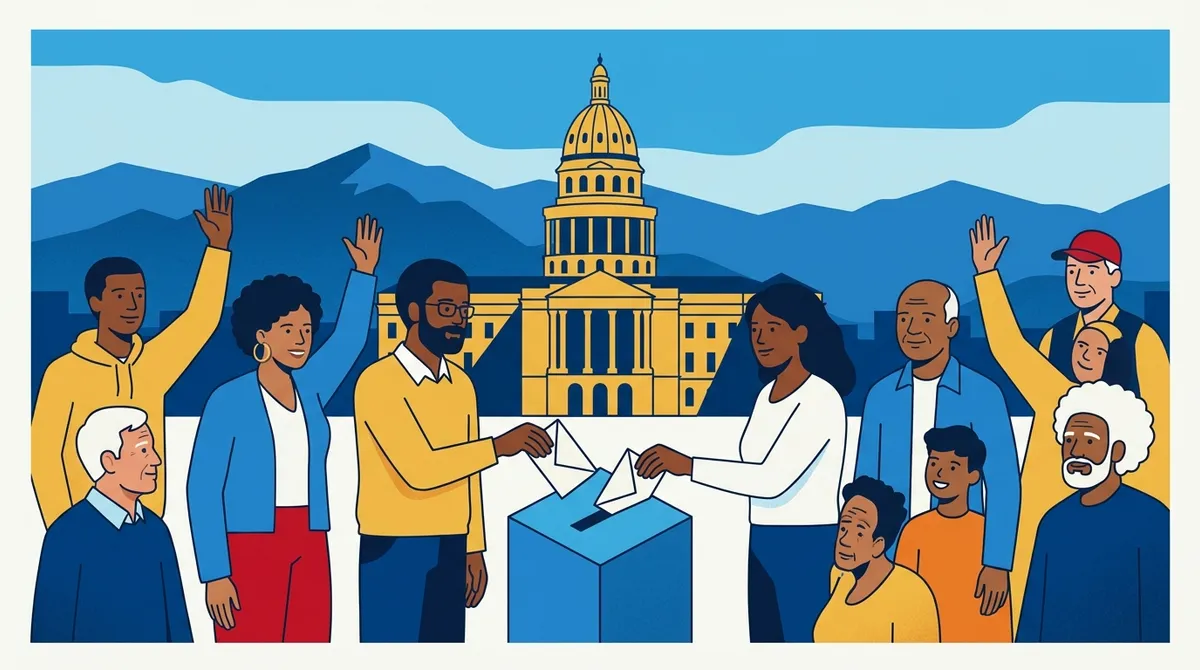
Participatory Budgeting & Citizens' Assemblies
You decide how $100M+ of Denver's budget is spent - directly. Plus randomly selected citizens' assemblies to tackle the big questions. Real democracy, not just voting every 4 years.
- Drafted
- Organizing
- Introduced
- Committee
- Enacted
Vấn Đề
Ngân sách hằng năm của Denver vượt quá $1,6 tỷ Mỹ kim. Cư dân hầu như không có tiếng nói trong việc chi tiêu ngân sách đó như thế nào. Hội Đồng Thành Phố tổ chức các buổi điều trần công khai nhưng ít người tham dự, và văn phòng thị trưởng thúc đẩy các ưu tiên. Kết quả là: ngân sách phản ánh lợi ích của các nhà phát triển địa ốc, các nhà vận động hành lang và các nhóm có liên hệ chính trị - chứ không phải là cư dân Denver bình thường.
Trong khi đó, niềm tin vào chính quyền địa phương ở mức thấp và đang giảm dần. Mọi người cảm thấy, một cách chính xác, rằng tiếng nói của họ không có giá trị gì. Tỷ lệ cử tri đi bầu trong cuộc bầu cử thành phố năm 2023 của Denver là 38% (Phân Khu Bầu Cử Denver). Tỷ lệ này tốt hơn so với một số năm, nhưng nó vẫn có nghĩa là 62% cử tri đã đăng ký đã ở nhà. Hệ thống này về mặt kỹ thuật là dân chủ nhưng về mặt chức năng là không phản hồi.
Những Gì Denver Hiện Đang Làm
Denver có một bộ phận Tương Tác Khu Phố (Neighborhood Engagement division) và tổ chức các buổi điều trần công khai về ngân sách, nhưng phần lớn chỉ mang tính hình thức. Ngân sách được soạn thảo bởi văn phòng thị trưởng, trình lên hội đồng, và thời gian để công chúng đưa ra ý kiến bị hạn chế. Denver chưa bao giờ thử nghiệm lập ngân sách có sự tham gia (participatory budgeting) ở bất kỳ quy mô nào. Một số khu phố của Denver có việc thiết lập ưu tiên không chính thức thông qua Các Tổ Chức Khu Phố Đã Đăng Ký (Registered Neighborhood Organizations - RNOs), nhưng các tổ chức này không có quyền ràng buộc đối với việc phân bổ ngân sách và có xu hướng bị chi phối bởi chủ nhà và cư dân lớn tuổi, giàu có hơn.
Sự tương phản với cách tiếp cận của Mike Johnston rất rõ ràng: các quyết định quan trọng như hợp đồng giám sát Flock Safety đã được thông qua mà không có sự tham gia ý nghĩa của công chúng. Sự thiếu hụt dân chủ không phải là điều trừu tượng; đó là cách thành phố hoạt động một cách thường xuyên.
Giải Pháp Của Chúng Tôi
1. Lập Ngân Sách Có Sự Tham Gia (Participatory Budgeting - PB)
Được tiên phong ở Porto Alegre, Brazil vào năm 1989 và hiện đang được sử dụng ở hơn 7.000 thành phố trên toàn thế giới. Cư dân trực tiếp quyết định cách chi tiêu tiền công.
Chương Trình PB của Denver:
- 10% ngân sách vốn của thành phố (khoảng $100-150 triệu Mỹ kim/năm) được phân bổ thông qua lập ngân sách có sự tham gia
- Mọi cư dân Denver từ 14 tuổi trở lên đều có thể tham gia (bao gồm cả những người không phải là công dân - bạn không cần phải là cử tri để có tiếng nói trong khu phố của mình)
- Hội đồng khu phố đề xuất các dự án: công viên, cải thiện đường phố, trung tâm cộng đồng, cơ sở hạ tầng an toàn, khắc phục môi trường
- Cư dân bỏ phiếu chọn các dự án thắng cuộc - trực tuyến + trực tiếp, với phiếu bầu đa ngôn ngữ
- Đại biểu ngân sách (được bầu từ các khu phố) phát triển các đề xuất thành các dự án có thể thực hiện được với sự hỗ trợ của nhân viên thành phố
Quy trình (chu kỳ hằng năm):
- Thu thập ý tưởng (2 tháng): Hội đồng khu phố đưa ra các đề xuất
- Phát triển (3 tháng): Đại biểu ngân sách làm việc với các kỹ sư và nhà hoạch định của thành phố để phát triển các đề xuất thành các dự án khả thi, có chi phí cụ thể
- Triển lãm (1 tháng): Tất cả các đề xuất được trưng bày công khai, trực tuyến và tại các địa điểm cộng đồng
- Bỏ phiếu (2 tuần): Tất cả cư dân bỏ phiếu cho các dự án cuối cùng
- Thực hiện (liên tục): Thành phố thực hiện các dự án thắng cuộc với bảng điều khiển theo dõi công khai
2. Hội Đồng Công Dân
Được điều chỉnh từ mô hình Hội Đồng Công Dân của Ireland, mô hình này đã giải quyết các vấn đề gây tranh cãi nhất của đất nước (phá thai, hôn nhân bình đẳng, khí hậu) thông qua thảo luận dân chủ thay vì chiến tranh đảng phái.
Cách thức hoạt động:
- Cư dân được chọn ngẫu nhiên (giống như nghĩa vụ bồi thẩm đoàn, nhưng dành cho chính sách)
- Đại diện về mặt nhân khẩu học: hội đồng phản ánh dân số của Denver theo độ tuổi, chủng tộc, thu nhập, khu phố, giới tính
- Điều phối chuyên nghiệp: các điều phối viên độc lập, không phải chính trị gia
- Lời khai của chuyên gia: hội đồng nghe từ các nhà nghiên cứu, cộng đồng bị ảnh hưởng, người thực hành
- Thảo luận: nhiều tuần thảo luận, học hỏi và tranh luận có cấu trúc
- Đề xuất: hội đồng đưa ra các đề xuất chính sách chi tiết mà hội đồng thành phố phải công khai phản hồi (chấp nhận, sửa đổi với giải thích, hoặc bác bỏ với giải thích)
Các chủ đề của Hội Đồng Công Dân Denver (đề xuất cho 3 năm đầu tiên):
- Năm 1: Khả năng chi trả nhà ở và tình trạng vô gia cư
- Năm 2: Cảnh sát và an toàn công cộng
- Năm 3: Khí hậu và công bằng môi trường
Bằng Chứng: Điều Này Hiệu Quả
Lập Ngân Sách Có Sự Tham Gia
| Thành Phố | Quy Mô | Kết Quả |
|---|---|---|
| Porto Alegre, Brazil | Tiên phong PB vào năm 1989, hơn 50.000 người tham gia/năm | Tỷ lệ tử vong ở trẻ sơ sinh giảm 50%. Khả năng tiếp cận nước đạt 98%. Cải thiện đáng kể ở các khu phố có thu nhập thấp. Trở thành hình mẫu cho thế giới. |
| Paris, Pháp | €500 triệu Mỹ kim được phân bổ thông qua PB (2014-2020), 5% tổng ngân sách | Hơn 300 dự án đã hoàn thành. 10% cư dân tham gia hằng năm. Các dự án bao gồm công viên, làn đường xe đạp, không gian xanh, vườn cộng đồng. |
| Helsinki, Phần Lan | Ngân sách PB €8,8 triệu Mỹ kim (tăng hằng năm) | Tỷ lệ tham gia cao, các đề xuất sáng tạo, tăng cường niềm tin vào chính phủ |
| New York City | Chương trình PB lớn nhất ở Hoa Kỳ. Hơn $40 triệu Mỹ kim/năm trên 30+ khu vực. | Hơn 100.000 cư dân tham gia. Các dự án ở mọi quận. Tỷ lệ thanh niên tham gia đặc biệt cao. |
| Madrid, Tây Ban Nha | Ngân sách PB €100 triệu Mỹ kim thông qua nền tảng kỹ thuật số “Decide Madrid” | Hơn 400.000 người tham gia trực tuyến. Các đề xuất bao gồm nhà ở xã hội, cơ sở hạ tầng xanh, giao thông công cộng. |
Những phát hiện nhất quán trên tất cả các chương trình PB:
- Tiền chảy vào các khu phố bị bỏ quên trước đây
- Cơ sở hạ tầng được cải thiện nhanh hơn ở các khu vực có thu nhập thấp
- Sự tham gia của công dân tăng lên (đặc biệt là trong giới trẻ, người nhập cư và cư dân có thu nhập thấp)
- Niềm tin vào chính phủ tăng lên một cách rõ rệt
- Chi tiêu hiệu quả hơn (cư dân biết khu phố của họ cần gì)
Hội Đồng Công Dân
| Quốc Gia | Vấn Đề | Kết Quả |
|---|---|---|
| Ireland | Hợp pháp hóa phá thai (2016-2017) | Hội Đồng Công Dân khuyến nghị hợp pháp hóa → trưng cầu dân ý thông qua với 66% ủng hộ. Giải quyết bế tắc kéo dài hàng thập kỷ. |
| Ireland | Hôn nhân bình đẳng (2013-2014) | Hội Nghị Lập Hiến (mô hình tương tự) khuyến nghị → trưng cầu dân ý thông qua với 62% ủng hộ. |
| Pháp | Chính sách khí hậu (2019-2020) | 150 công dân được chọn ngẫu nhiên đưa ra 149 khuyến nghị về khí hậu. Một số khuyến nghị đã trở thành luật. |
| Vương Quốc Anh | Chính sách khí hậu (2020) | Hội Đồng Khí Hậu Vương Quốc Anh đưa ra các khuyến nghị chi tiết về việc đạt được mức phát thải ròng bằng không. |
| Bỉ | Hội đồng công dân thường trực trong cộng đồng nói tiếng Đức | Cơ quan thảo luận liên tục thường xuyên đưa ra các khuyến nghị về chính sách. |
Tại sao lựa chọn ngẫu nhiên hoạt động tốt hơn bầu cử:
- Các quan chức được bầu không cân xứng là những người giàu có, nam giới, da trắng và lớn tuổi hơn các cử tri của họ
- Lựa chọn ngẫu nhiên tạo ra các hội đồng thực sự giống với dân số
- Những người tham gia không nợ bất cứ điều gì cho các nhà tài trợ hoặc nhà vận động hành lang
- Thảo luận (nghe bằng chứng, thảo luận với đồng nghiệp) tạo ra các quyết định sáng suốt hơn là các đoạn âm thanh trong chiến dịch
Nguồn Tài Chính
- Quản lý lập ngân sách có sự tham gia: $2-3 triệu Mỹ kim/năm (0,15% ngân sách được phân bổ)
- Hội đồng công dân: $1-2 triệu Mỹ kim cho mỗi hội đồng (trợ cấp cho người tham gia, điều phối, lời khai của chuyên gia, địa điểm)
- Tổng cộng: $4-5 triệu Mỹ kim/năm để cải thiện đáng kể sự tham gia dân chủ
Đây là một sai số làm tròn trong ngân sách $1,6 tỷ Mỹ kim - và bằng chứng cho thấy PB tạo ra chi tiêu hiệu quả hơn so với phân bổ quan liêu.
Các Câu Hỏi Thường Gặp
“Người bình thường không thể đưa ra quyết định về ngân sách.” Họ đưa ra chúng tốt hơn bạn nghĩ. Chương trình PB của Porto Alegre tạo ra cơ sở hạ tầng công bằng hơn so với hàng thập kỷ lập ngân sách do chuyên gia điều khiển. Và các hội đồng công dân liên tục đưa ra các khuyến nghị dựa trên bằng chứng, có lý lẽ - bởi vì những người tham gia thực sự lắng nghe bằng chứng, không giống như hầu hết các chính trị gia.
“Điều này sẽ làm chậm trễ chính phủ.” Chu kỳ PB chạy song song với quy trình ngân sách thông thường. Các hội đồng công dân được triệu tập cho các câu hỏi cụ thể về các thời hạn cụ thể. Cả hai đều không thay thế hệ thống quản trị hiện có - chúng bổ sung nó bằng tính hợp pháp dân chủ.
“Còn những người không tham gia thì sao?” Nhiều người tham gia PB hơn là bỏ phiếu trong các cuộc bầu cử thành phố. Và việc lựa chọn ngẫu nhiên cho các hội đồng công dân đảm bảo sự đại diện ngay cả khi không có sự tự lựa chọn. Những công cụ này tiếp cận những người mà các cuộc bầu cử không thể tiếp cận được.
“Điều này sẽ không bị các nhóm lợi ích đặc biệt chiếm đoạt sao?” Khó bị chiếm đoạt hơn so với các cuộc bầu cử. PB sử dụng nguyên tắc một người một phiếu (không có đóng góp cho chiến dịch). Các hội đồng công dân sử dụng lựa chọn ngẫu nhiên (không vận động hành lang). Cả hai đều có cấu trúc chống lại sự chiếm đoạt của các nhóm lợi ích đặc biệt hơn hệ thống hiện tại.
“Điều gì ngăn cản các khu phố giàu có thống trị quy trình?” Các chương trình PB hoạt động sử dụng phân bổ theo trọng số công bằng: các khu vực có tỷ lệ nghèo đói cao hơn nhận được phân bổ trên đầu người lớn hơn. Việc tiếp cận các cộng đồng chưa được đại diện được xây dựng trong quy trình. Chương trình PB của NYC có tỷ lệ tham gia cao hơn trong số cư dân có thu nhập thấp và người da màu so với các cuộc bầu cử tiêu chuẩn. Việc lựa chọn ngẫu nhiên cho các hội đồng công dân được phân tầng theo nhân khẩu học, đảm bảo sự đại diện.
Tài Liệu Tham Khảo
- Denver Elections Division (Phân Khu Bầu Cử Denver). (2023). Dữ liệu về tỷ lệ cử tri đi bầu trong cuộc bầu cử thành phố. (Tỷ lệ đi bầu là 38%.)
- City of Denver Annual Budget (Ngân Sách Hằng Năm của Thành Phố Denver). (2024). Tổng ngân sách và số liệu ngân sách vốn.
- Sintomer, Y., et al. (2012). “Participatory Budgeting Worldwide.” (Lập Ngân Sách Có Sự Tham Gia Trên Toàn Thế Giới) Nghiên cứu cho Cơ Quan Giáo Dục Công Dân Liên Bang Đức. (Dữ liệu về hơn 7.000 thành phố.)
- Cabannes, Y. (2004). “Participatory budgeting: a significant contribution to participatory democracy.” (Lập ngân sách có sự tham gia: một đóng góp quan trọng cho nền dân chủ có sự tham gia) Environment and Urbanization (Môi Trường và Đô Thị Hóa). (Kết quả của Porto Alegre.)
- PBNYC (Participatory Budgeting New York City - Lập Ngân Sách Có Sự Tham Gia Thành Phố New York). Báo cáo hằng năm và dữ liệu tham gia.
- Farrell, D., et al. (2019). “Deliberative Mini-Publics: Core Design Features.” (Các Tiểu Ban Công Khai Thảo Luận: Các Đặc Điểm Thiết Kế Cốt Lõi) Trung Tâm Dân Chủ Thảo Luận và Quản Trị Toàn Cầu. (Thiết kế hội đồng công dân.)
- Irish Citizens’ Assembly (Hội Đồng Công Dân Ireland). Báo cáo về Tu Chính Án Thứ Tám (2017) và Hôn Nhân Bình Đẳng (2014).